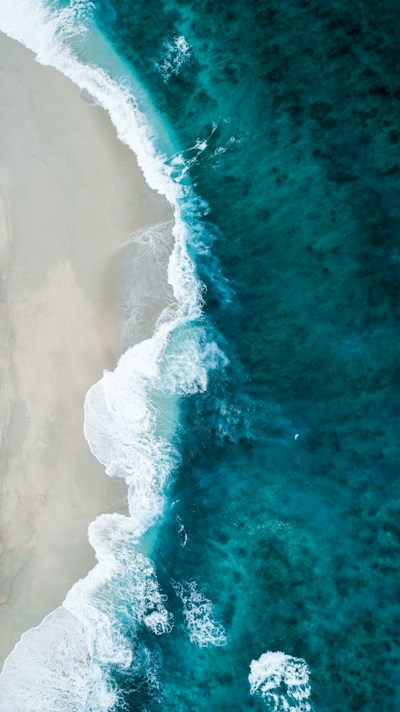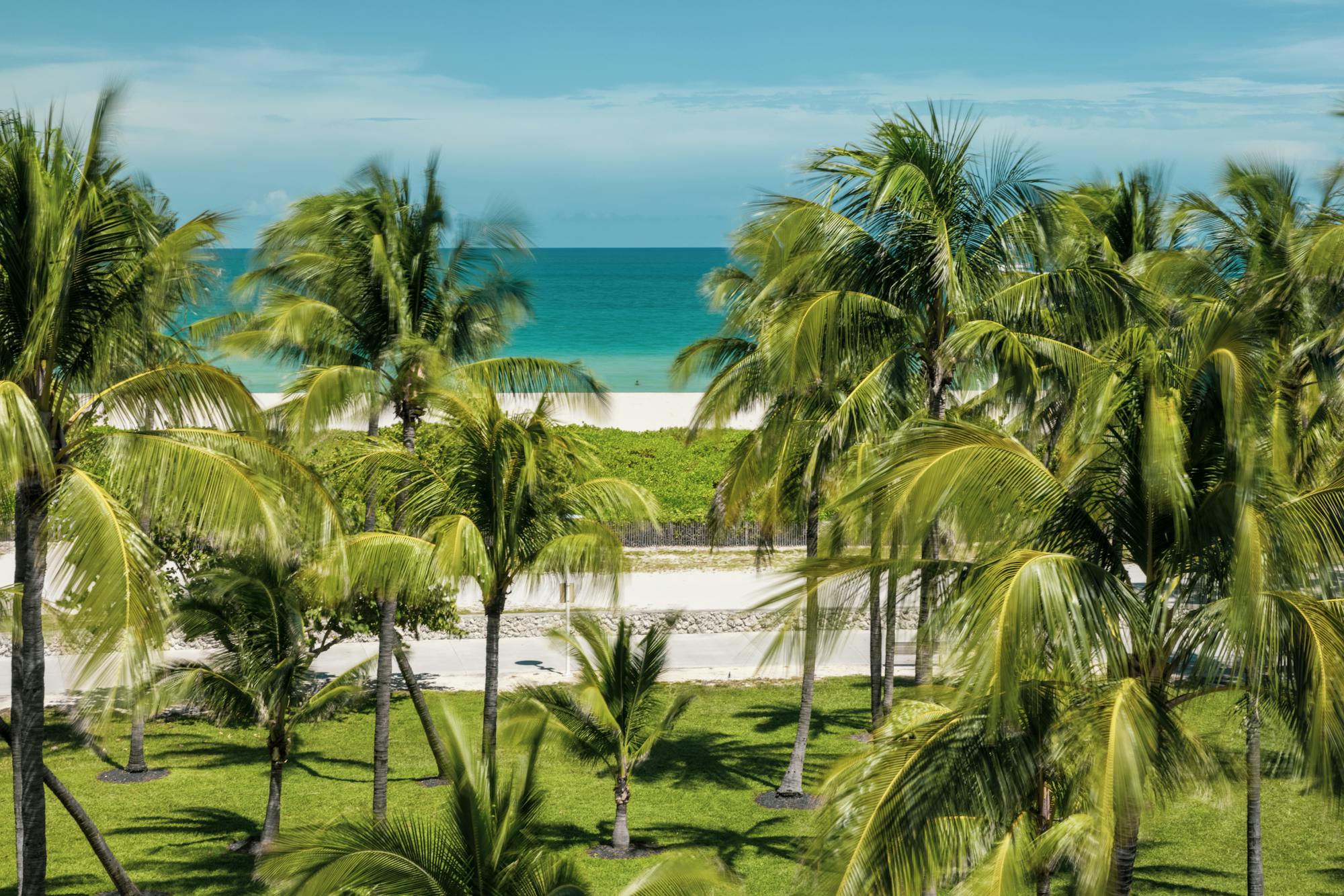
Egmont Key sits at the mouth of Tampa Bay, a mile off the end of Fort De Soto and reachable only by boat. That last part is the whole reason the shelling holds up: there is no bridge, no parking lot and no walk-on access, so the beach does not get picked over by mid-morning the way Honeymoon Island or Pass-a-Grille does. It is a state park and a national wildlife refuge, and the same protection that keeps the island quiet keeps the shell beds intact.
Why Egmont Key Has the Best Shelling
Two currents meet at the mouth of the bay and push material onto the island's Gulf-facing shore. Storms do the rest — a cold front or a summer blow will lay down a fresh line of shells overnight, and because nobody can walk on before the first boat arrives, that line is still there when you get off it. The southern end, below the fort ruins, collects the heaviest material. The bay side is quieter water and holds smaller, more intact specimens.
The catch is that everything on Egmont Key runs on boat schedules. There is no shade beyond the tree line, no fresh water, no concession, and no way to leave early. Whatever the boat's return time is, that is your day.
Shells Found at Egmont Key
The regular finds are lightning whelks, fighting conchs, pen shells, coquina, ark shells and sand dollars. Less common but worth slowing down for: murex, olives, augers and the occasional intact scallop. Winter and early spring produce the heaviest deposits because that is when the fronts come through. Summer shelling is thinner but the water is calm enough to snorkel the shallows, which is where the unbroken shells tend to be.
Two rules apply and both are enforced. Live shells stay — anything with an animal in it, and that includes hermit crabs, which are easy to miss until the shell moves in your hand. And the island is a wildlife refuge, so posted closures around nesting areas are not advisory.
How to Reach Egmont Key
Three boats go, from three different marinas, and they are genuinely different products rather than three prices for the same trip. They are listed cheapest first. Every price below is the live operator fare with the customer type named — there are no per-person figures here that are really a whole-boat rate.

Egmont Key Ferry
Transport and beach time, and that is deliberately all it is. The ferry drops you on the island and comes back for you; there is no guide, no narration and no scheduled stops on the way. For a sheller who already knows what they are looking for, that is the point — you get the maximum unstructured hours on the sand for the lowest fare on this page. Adults are $45 and children 11 and under are $25, with under-2s free.
Check Availability →
4 hour Egmont Key Island Tour! Snorkeling! Shelling! See Dolphins!
Four guided hours out of Gulfport, built around shelling rather than fitting it in around a transfer. The captain picks the sandbar stops on the way out and back, so you are working more than one shell bed instead of only the island beach, and there is guided snorkelling on the south shore rock formations. If shelling is the actual reason for the day, this is the one to book: $24 more than the ferry buys the stops, the guide and the snorkel gear. Adults $69, children 2–12 $59, under-2s free.
Check Availability →
Private Snorkeling Charter: Egmont, Outback & Shell Keys
Four and a half hours on your own boat, covering Egmont Key plus Outback Key and Shell Key rather than a single island. Because nobody else is aboard, the captain can sit on whichever beach is producing that day instead of leaving on a timetable, and can move if the first stop is thin. The rate is $549 for the charter, not per person, and it is the same $549 whether two people go or a full party does.
Check Availability →Which Egmont Trip Fits
- Take the ferry if you have shelled Egmont Key before, you know which end you want, and you would rather spend the difference on nothing at all. It is transport, and for an experienced sheller transport is enough.
- Take the guided tour if this is a first visit or shelling is the actual point of the day. The sandbar stops are the reason — they put you on beds the ferry never passes, and $24 is a small premium for the difference between one beach and several.
- Take the private charter if the schedule is the problem rather than the price — you want to stay where the shelling is good, move if it is not, and cover three keys in one run. It is priced as a charter, so it makes sense for a group and is an expensive way for two people to see one island.
Shelling Tips and Techniques
Go on a falling tide and start as early as the boat allows. Walk the waterline first, then the wrack line higher up the beach where the previous tide left its material. Sift gently rather than digging; most of the intact shells sit just under the surface layer. After a storm, work the fresh line before anything else. Bring a mesh bag so sand and water drain rather than collecting in the bottom, and wear water shoes — broken shell and the occasional ray in the shallows both argue against bare feet.
Best Time for Egmont Key Shelling
November through April is the productive stretch, when cold fronts stir the Gulf and lay down fresh material. Outside that window the day after any strong blow is worth a look regardless of the month. Within a given day, tide beats season: a falling tide an hour or two after high uncovers ground that was underwater overnight. Check the tide chart the night before, because the boat schedule will not move for you.
Additional Egmont Key Attractions
The lighthouse dates from 1858 and still operates. The brick gun batteries at the south end are what remains of Fort Dade, built for the Spanish-American War, and the paths between them are open to walk. There are gopher tortoises across the interior and the island is a nesting site for several shorebird species, which is why sections get roped off in season. Most visitors combine an hour on the trails with the rest of the day on the beach.
Book Your Egmont Key Shelling Tour Today
The three boats above all reach Egmont Key. If you are unsure, the four-hour guided tour is the one to start with — see the full Egmont Key tours guide for the ferry-versus-guided comparison, or the best shelling beaches near Tampa for the mainland alternatives.