
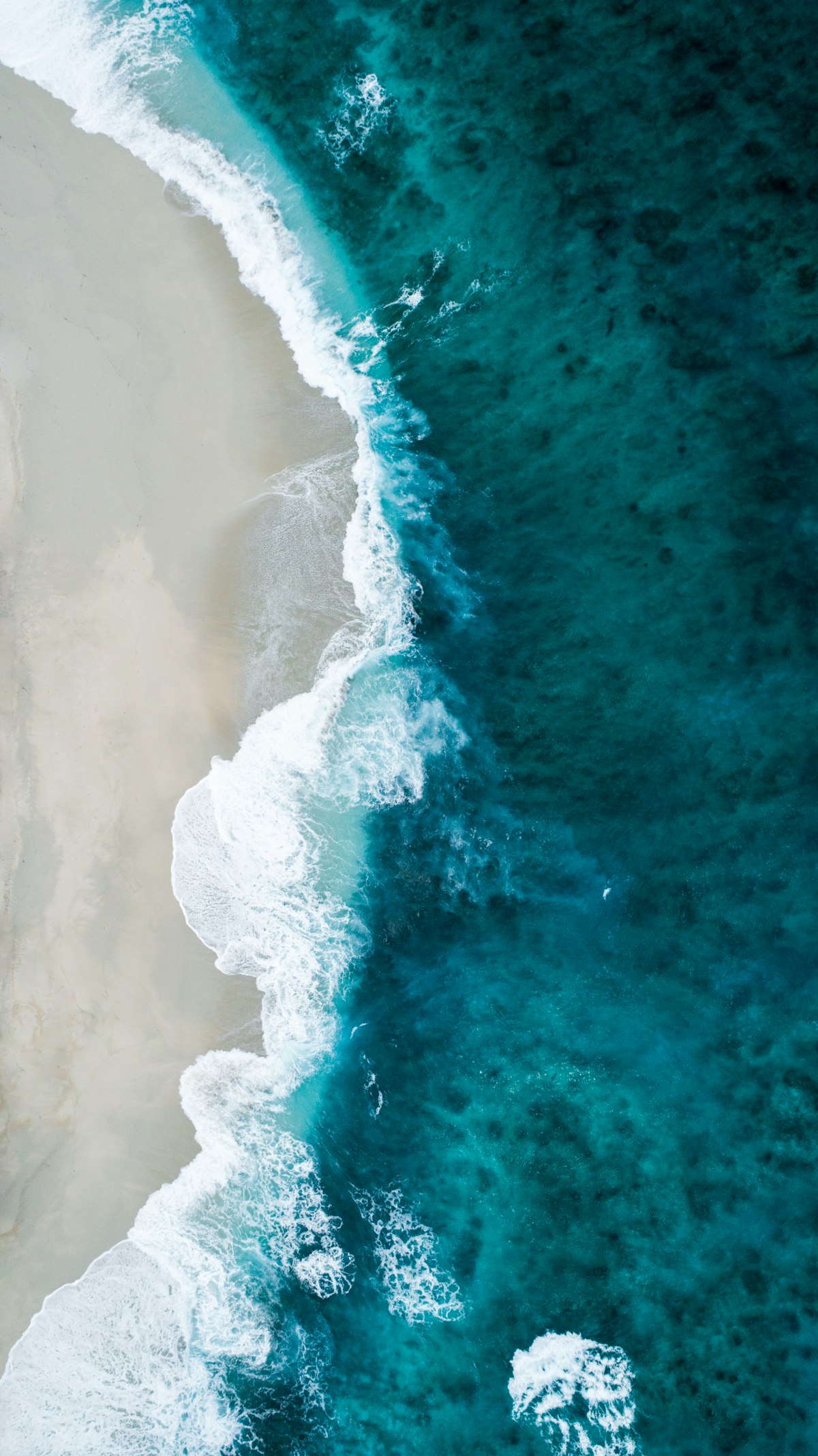
Tampa Bay and the barrier islands off St. Petersburg hold some of the most productive shelling ground on Florida's Gulf coast. Shell Key Preserve, Honeymoon Island, Caladesi Island and Fort De Soto all collect shells on a steady schedule, and each one rewards a slightly different approach. The short version: the beaches you can drive to are good, and the ones you can only reach by boat are better, because far fewer people walk them before you do.
Top Shelling Destinations Near Tampa
Shell Key Preserve is the one locals name first. It sits between Pass-a-Grille and Tierra Verde, it has no road, no parking lot and no concession stand, and the only way onto it is a boat. That single fact is why the shelling holds up: a beach with no walk-on access does not get picked over by mid-morning. The northern end collects lightning whelks and pen shells; the flats on the bay side hold smaller material and the occasional intact sand dollar.
Honeymoon Island State Park is the opposite trade-off — you can park and walk on, so it is easy, and it is busier. Go to the north end past the pet beach and keep walking; most visitors stop within a few hundred yards of the lot. Caladesi Island is reachable by ferry from Honeymoon Island and holds protected seagrass flats where smaller shells accumulate. Fort De Soto Park pairs beach access with the old fort, and the north beach lagoon is a reasonable spot for a family that wants shallow water alongside the shelling.
What Shells You'll Find
Common finds around Tampa Bay include lightning whelks, pen shells, coquina clams, ark shells, fighting conchs and sand dollars. Less common, and worth slowing down for, are murex, augers, olives and the occasional large scallop. Winter storms churn the most material ashore. Spring shelling stays productive as the storms subside but the deposits remain, and it comes with better water for anyone who wants to snorkel the flats rather than walk the tideline.
What you will not find, reliably, is a beach that has not already been walked that morning — unless you go somewhere that has no walk-on access at all. That is the whole argument for taking a boat.
How to Reach Shell Key Preserve
There is no ferry terminal and no scheduled public service to Shell Key, so getting there means booking a boat. Three operators run trips out of St. Petersburg, Tierra Verde and Gulfport, and they are genuinely different products rather than three prices for the same thing. They are listed cheapest first. Every price below is the live operator fare with the customer type named — there are no per-person figures hiding a whole-boat rate.

Shell Key Dolphin-Snorkeling Adventure (9AM)
A two-hour morning run out to Shell Key with a snorkelling stop and dolphin watching along the way. The 9AM departure is the one that matters for shelling: you are on the sand early, on the part of the tide cycle that has just uncovered fresh ground, and ahead of the boats that come out later in the day. Bring a bag and water shoes. Note that this departure carries a three-person minimum, so a solo traveller or a couple cannot book it on its own.
Check Availability →If the 9AM is sold out or the three-person minimum is a problem, the same operator runs the identical trip at 4PM for the same $64. It is a good cruise, but it is the weaker shelling slot — you are arriving behind everyone who went out that morning.
Paddling the Preserve Instead
The second option reaches the same preserve under your own power, from Tierra Verde on the Fort De Soto side.

Shell Key Preserve Clear Kayak Tour
Two hours in a clear-bottomed kayak over the seagrass flats inside the preserve, with a guide. Be clear about what this is: it is a paddling trip that shows you what is living under the boat, not a beach-combing trip. You are on the water rather than on the sand, and you are not coming back with a bucket. Take it if the appeal is seeing the flats and the rays and the wildlife up close. Adults are $69; children aged 3 to 11 are $64, and the booking takes a minimum of two.
Check Availability →Taking the Whole Boat
The third option is a private charter out of Gulfport, priced for the boat rather than per head.

PRIVATE 2.5 Hour Shell Key Dolphin Shelling Tour
Two and a half hours on your own boat out of Gulfport, built around shelling and dolphin watching rather than fitting them around a fixed group schedule. The captain picks the sandbar, and you stay as long as the shelling is good instead of leaving when the timetable says so. The rate is $350 for the boat, up to twelve people, so the arithmetic decides this one: it is the expensive choice for two, it matches the $64 ticket at around six, and below $30 a head with a full boat.
Check Availability →Which Shell Key Trip Fits
- Take the 9AM cruise if shelling is the actual point of the day. It is the cheapest way onto the island, it lands you there at the right hour, and it is the one to book if you only book one. Bring at least one more person to clear the three-person minimum.
- Take the clear kayak if you would rather look at the flats than walk the tideline, or you are bringing children who will get more out of two hours of wildlife than two hours of sorting shells. It is $10 more than the cruise and it is a different activity, not an upgrade.
- Take the private charter if your party is around six or more. Under that, you are paying a premium for flexibility; at six it costs the same per person as the ticketed cruise, and above six it is the cheapest option on this page per head.
When to Go Shelling Near Tampa
November through April is the productive stretch. Cold fronts push through, the Gulf gets stirred up, and shells land on the beach in quantity for a day or two afterwards. Outside that window, the day after any strong blow is worth a look regardless of the month.
Within a given day, tide beats season. Go on a falling tide, ideally starting an hour or two after high, so the water is pulling back off ground that was underwater overnight. Early morning stacks two advantages: the tide is often right, and you are ahead of the crowd. That is why the morning departures above are worth the earlier alarm.
Shelling Tips & Best Practices
Collect dead shells only — anything with a live animal in it stays, and that includes hermit crabs, which are easy to miss until the shell moves in your hand. Bring a mesh bag so sand and water drain out, and wear water shoes; broken shell and the occasional stingray in the shallows both argue against bare feet. Never take protected species such as queen conch. Shell Key Preserve and the state parks each post their own rules, and the boat crews will tell you what applies where you land.
What to bring: Mesh bag or bucket, water shoes, reef-safe sunscreen, a hat, more water than you think you need, and a small shell identification card. There is no shade and no fresh water on Shell Key. If you are booking a morning departure, check the tide chart the night before — a falling tide is worth more to you than an extra hour of daylight.
FAQs
When is the best time for shelling near Tampa?
November–April is prime shelling season when storms bring shells ashore. Early mornings on a falling tide are optimal, and the day after a cold front is the single best time to go in any month.
Can I take shells home?
Yes, but no live animals. Collect only dead shells. Large shells may have size limits — check local regulations.
What should I bring shelling?
Bucket or bag, water shoes, sunscreen, hat, water, and a small collection guide for shell identification.
Are there shelling tours available?
Yes. The three trips above all reach Shell Key Preserve, which is the most productive shelling ground in the area and cannot be reached on foot. Many general sandbar and island tours also include a shelling stop.
Related guides: Tampa Bay Sandbar Tours Honeymoon Island Caladesi Island Best Time to Visit.
Explore Florida Tours
Browse boat tours, sandbar trips and island cruises across the Florida Gulf coast.
See All Florida Tours →